
Baking Soda Balloon Experiment
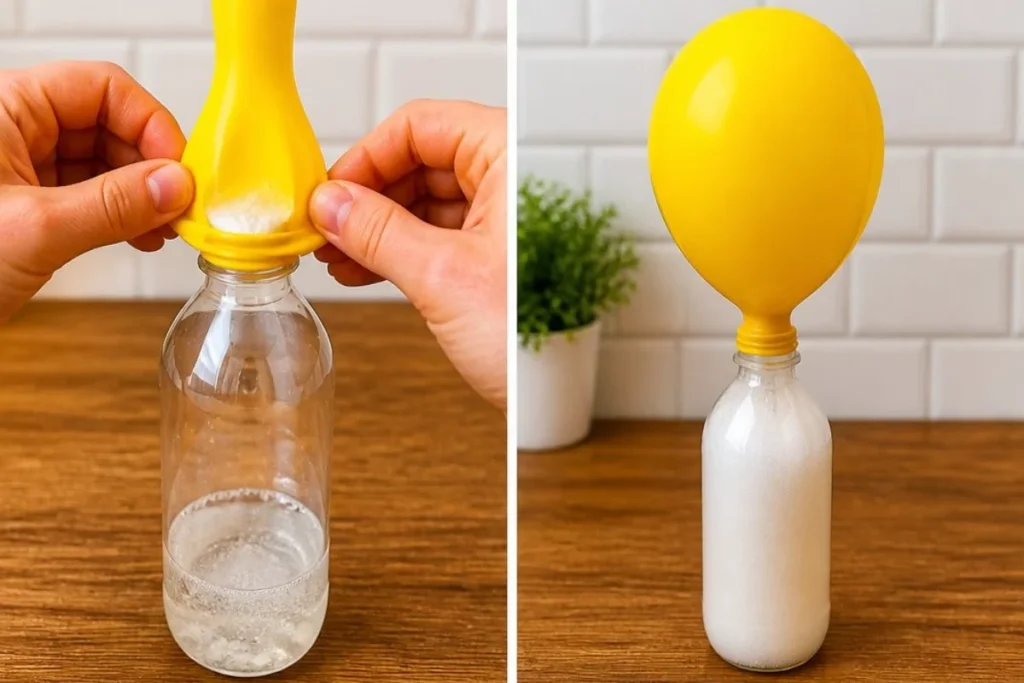
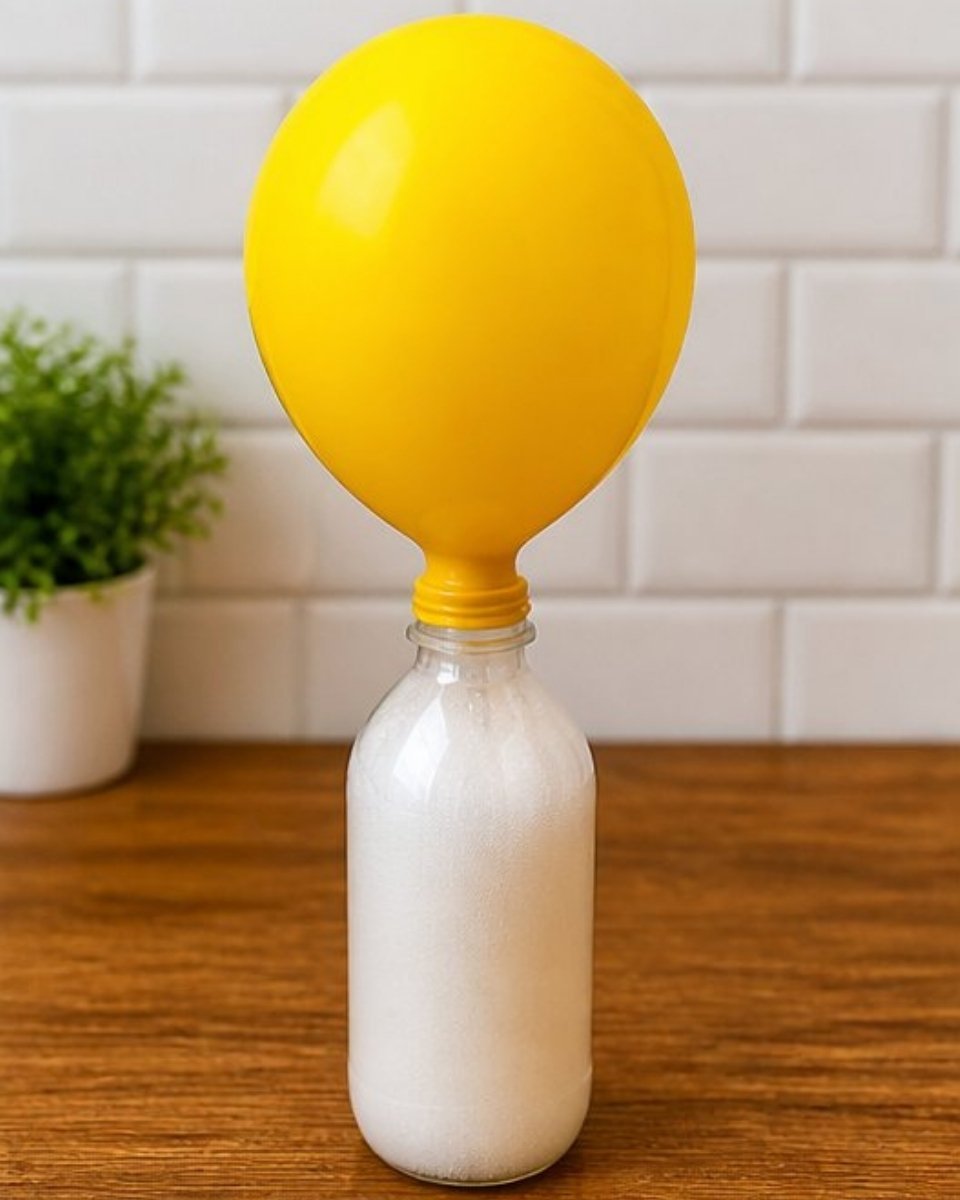
When the baking soda combines with vinegar, you will immediately notice the balloon inflating. The delightful sight will keep you engaged as the mixture fizzes and reacts. This Baking Soda Balloon Experiment showcases a fascinating chemical reaction while also being a fun and colorful project. You may also find Balloon Baking Soda Experiment Grows Cozy useful.
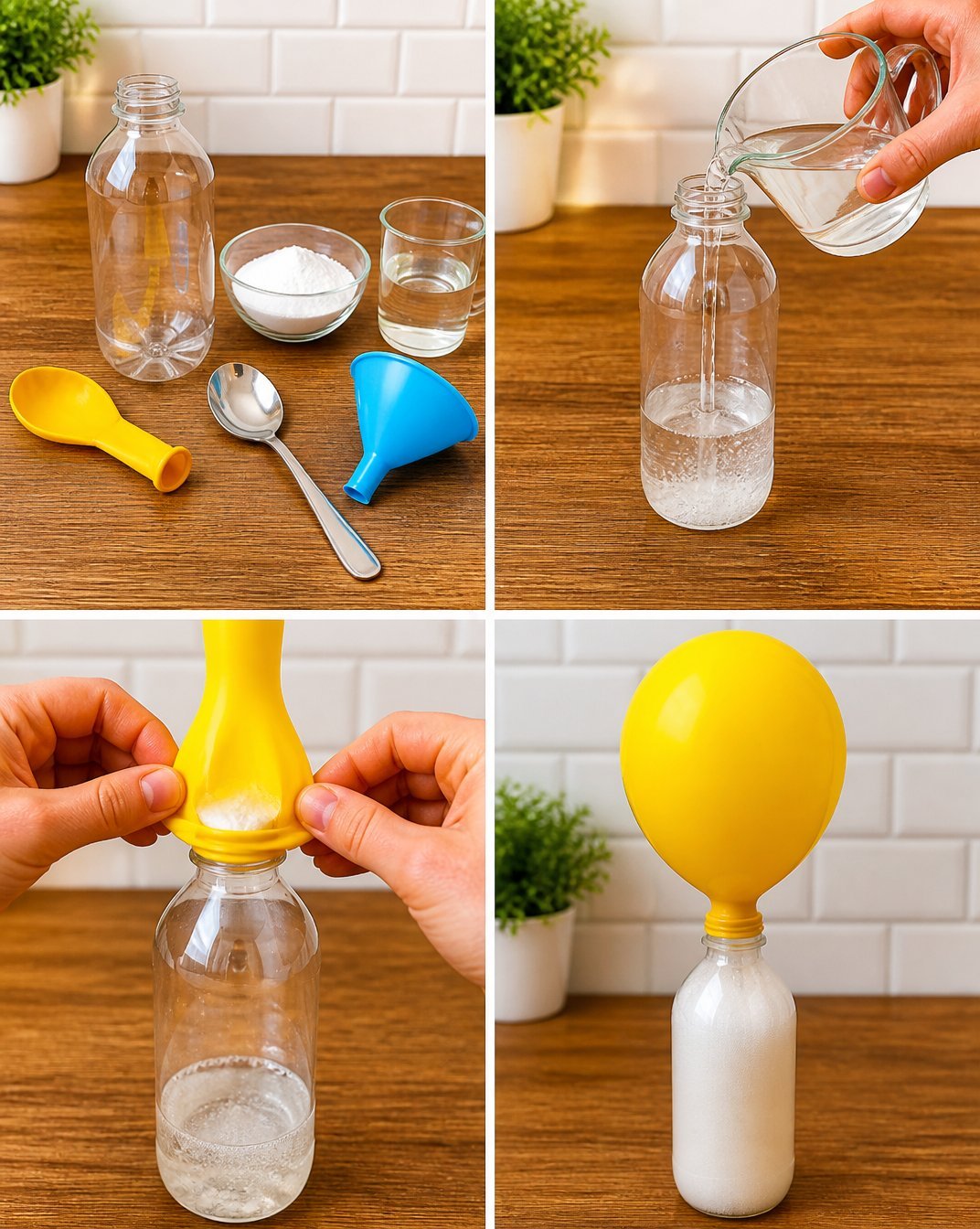
To set up this exciting demonstration, gather the following materials: balloon, empty plastic bottle, baking soda, vinegar, funnel, and spoon. With these simple ingredients, you can create a captivating display of science at work. As you proceed, remember to look for the visual changes that occur during the experiment. You may also find Balloon Baking Soda Experiment See Cozy useful.
What Makes This Work
The experiment relies on the reaction between baking soda (sodium bicarbonate) and vinegar (acetic acid). When these two substances meet, they create carbon dioxide gas. The gas builds up in the balloon, causing it to inflate. You will notice bubbles forming as the reaction takes place, which is a clear indicator of this exciting process. For a similar project that also uses this reaction, check out Baking Soda and Vinegar Fireworks Fun.
Materials
- Balloon
- Empty plastic bottle
- Baking soda
- Vinegar
- Funnel
- Spoon
Steps
- Pour vinegar into the bottle until it’s about a quarter full. This step provides the necessary base for a chemical reaction.
- Use the funnel to fill the balloon with baking soda. Make sure it’s enough to create a visible reaction but not too much that it will overflow.
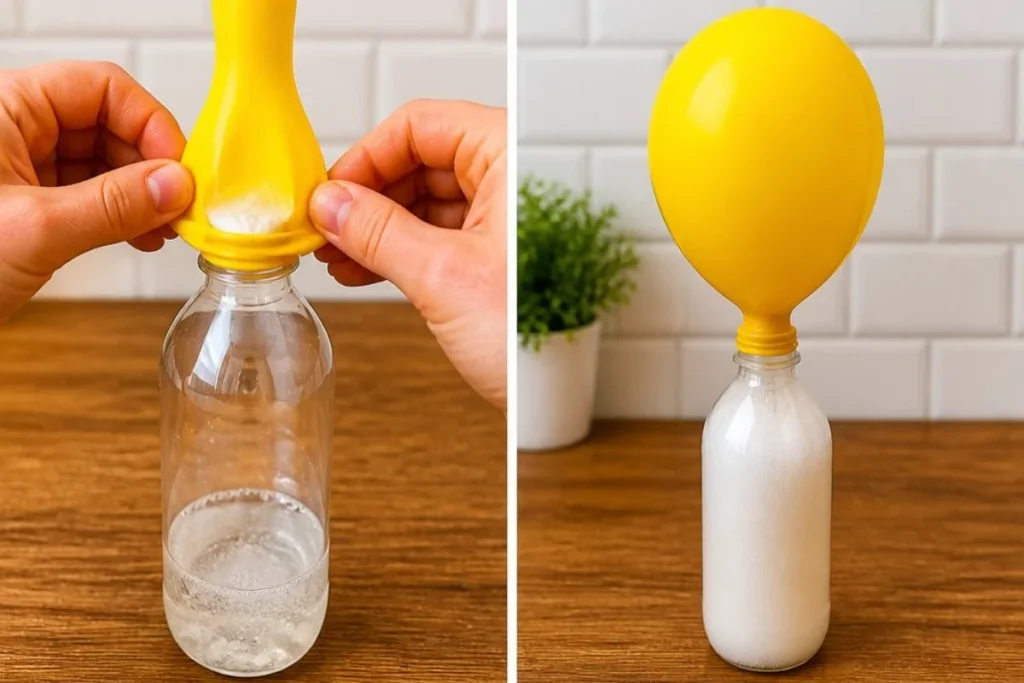
- Carefully stretch the balloon over the bottle opening without letting the baking soda drop. It’s critical to maintain the separation until you’re ready for the reaction.
- Lift the balloon and let the baking soda fall into the vinegar to see the balloon inflate! At this point, you can observe the reaction as it produces bubbles and gas quickly.
What Goes Wrong and How to Fix It
Sometimes the balloon may not inflate or the reaction feels weak. If this happens, there are a couple of adjustments you can make. Ensure that the vinegar is fresh and that you have enough baking soda. If there isn’t enough of either component, the reaction may not be vigorous enough to see the balloon expand significantly. Additionally, check that the balloon is securely placed over the bottle’s opening to prevent gas from escaping.
Where to Display It
This experiment can create an impressive display. Place it on a table or a windowsill where it can be easily seen. As the balloon inflates, it creates an engaging visual. You can also try different sizes of balloons to see how it changes the appearance. For creative variations, consider exploring other colorful projects such as Baking Soda Colorful Cloud Ornaments.
Variations
You can experiment with different amounts of baking soda and vinegar to see how the reaction changes. Additionally, try using colored vinegar to create a more vibrant display. This will not only enhance the appearance but also add an educational element as you observe the reaction’s progress. Another fun way to experiment is by incorporating different types of containers to see how the shape affects the reaction.
FAQs
1. What happens if my balloon doesn’t inflate?
If your balloon doesn’t inflate, it might be because there wasn’t enough baking soda or vinegar. Make sure both ingredients are fresh and sufficient in quantity.
2. Can I use something other than vinegar?
Yes, you can try using lemon juice, as it has a similar acidic property to vinegar.
3. How long does the experiment take?
The reaction occurs almost immediately, but be prepared to watch it for a few minutes as the gas continues to create bubbles.
4. Is this experiment safe for kids?
Yes, it is generally safe for kids as long as they are supervised, especially while handling the balloon and materials.
5. Can I save the balloon for later?
Once the reaction is complete, the balloon will deflate quickly. It’s best to enjoy it in the moment!
6. How can I make it last longer?
You can adjust the amounts of baking soda and vinegar to create a slower reaction, but do monitor it closely.
Conclusion
The Baking Soda Balloon Experiment is a great way to demonstrate chemical reactions in a fun and engaging manner. For more details on similar projects, you can check out this resource or explore this guide for further inspiration. Enjoy your scientific exploration!
Follow us on social for more DIY ideas & inspiration!
Baking Soda Balloon Experiment
Would you like to save this project?
By submitting you agree to receive this project and occasional emails. Unsubscribe anytime.
Materials
Materials
- 1 balloon Balloon Choose a variety of sizes for different effects.
- 1 bottle Empty plastic bottle A standard-sized bottle works well.
- 1 tablespoon Baking soda Use enough for a visible reaction.
- 1/4 cup Vinegar Fresh vinegar provides the best reaction.
- 1 funnel Funnel To help fill the balloon easily.
- 1 spoon Spoon For measuring and mixing.
Directions
Setup
- Pour vinegar into the bottle until it's about a quarter full.
- Use the funnel to fill the balloon with baking soda.
- Carefully stretch the balloon over the bottle opening without letting the baking soda drop.
Demonstration
- Lift the balloon and let the baking soda fall into the vinegar to see the balloon inflate.
Last Step: Don’t forget to leave a rating and comment below! It helps other readers find the best DIY projects — and it helps us too!