Would you like to save this recipe?
By submitting you agree to receive this recipe and occasional emails. Unsubscribe anytime.
Materials
- Baking soda (sodium bicarbonate) — easy to find
- White vinegar (household vinegar, around 5% acidity) — standard and safe
- Clear jars, glasses, or a shallow tray — clear shows the reaction best
- Small spoons or measuring spoons — for soft, controlled scoops
- Pipettes, droppers, or a small squeeze bottle — optional, for delicate drips
- Food coloring or liquid watercolors — optional, for bright, calm color
- Funnels or paper cones — optional, for playful delivery
- A tray, towel, or tray liner — to keep your space tidy
- Protective apron or washable surface — helpful for little makers
Instructions
- Prepare your workspace and containers. Set a tray or towel on the table to catch spills, and arrange several clear jars or shallow dishes within easy reach. Have your baking soda in a small bowl and vinegar in measuring cups or a squeeze bottle so you can move smoothly.
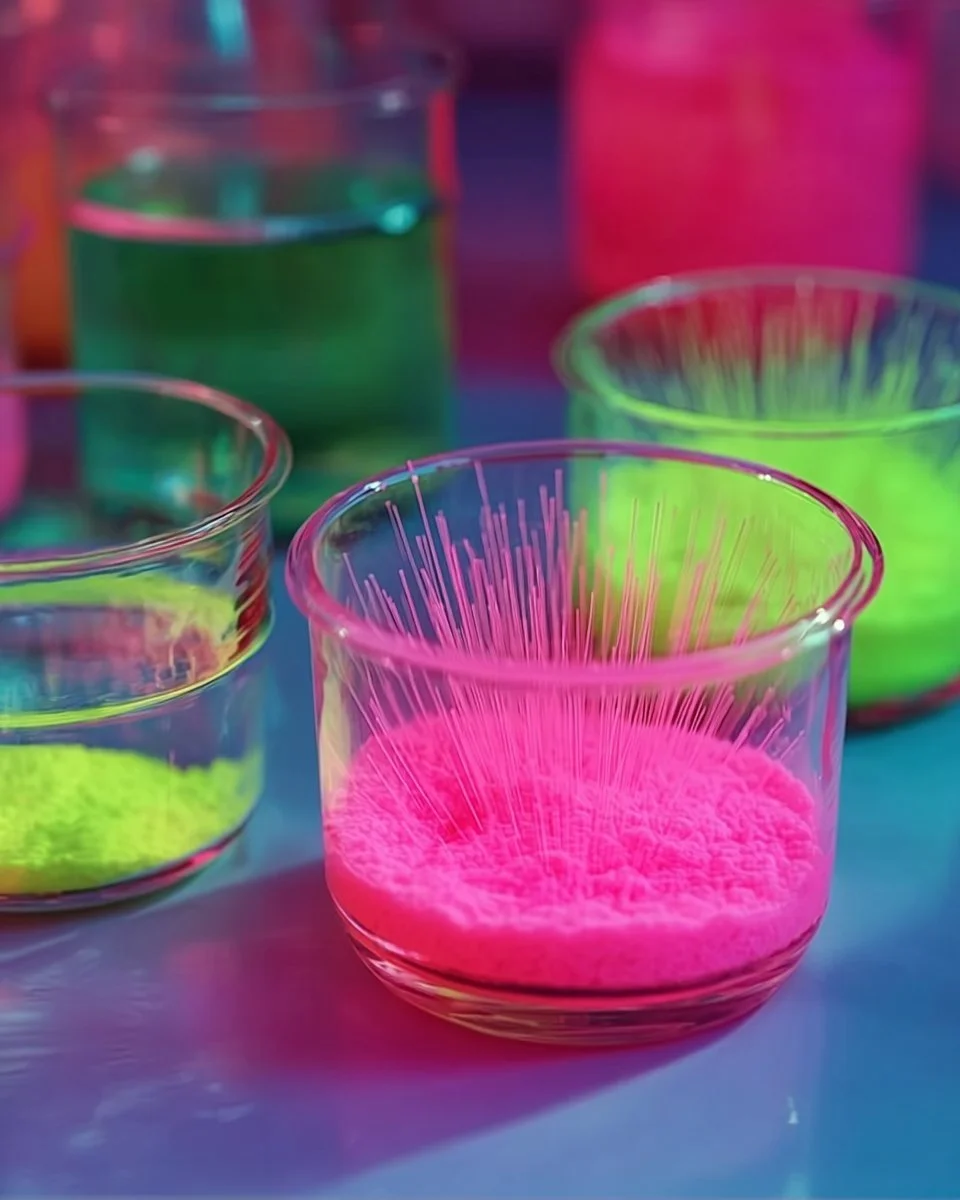
- Make small baking soda hills. Spoon a teaspoon or two of baking soda into the center of each jar or dish, shaping small mounds with a soft fingertip or the back of the spoon. The powder will feel cool and slightly gritty; this part often feels playful and tactile.
- Add color to the vinegar. Drop a few drops of food coloring into the vinegar and stir gently to mix; aim for gentle swirls instead of vigorous shaking. Notice how the color unfurls through the clear liquid, like a watercolor cloud preparing to bloom.
- Create soft fizz with a dropper or pour. Use a pipette or slowly pour the colored vinegar onto the baking soda hill, watching tiny bubbles form and race up. If you want a steady, long bloom, drip slowly; if you want a quick spark, pour a little more rapidly.
- Experiment with pacing and placement. Try touching the vinegar to different sides of the mound, or pour along the rim so bubbles push outward in new directions. Each place you touch produces a slightly different sound and foam pattern, and those small differences make the project feel alive.
- Clean and reset for another round. When the fizz subsides, gently spoon out the remaining mixture if you want to try again with fresh baking soda. Wipe the jars and tray and take a pause; the quiet of cleanup is part of the ritual.
- Try layered colors or delayed bursts. For layered effects, place a small pellet of baking soda in a cone of tissue or a paper funnel, then drop colored vinegar on top for a delayed release. You can also mix a thick paste of baking soda and water in one jar, then add vinegar slowly to time the bloom.
- Keep observation gentle and personal. Sit with the reaction for a moment after each bloom; breathe and notice the little changes in sound, scent, and motion. These moments of watching are the heart of the calm.
Last Step: Don’t forget to leave a rating and comment below! It helps other readers find the best recipes — and it helps us too!